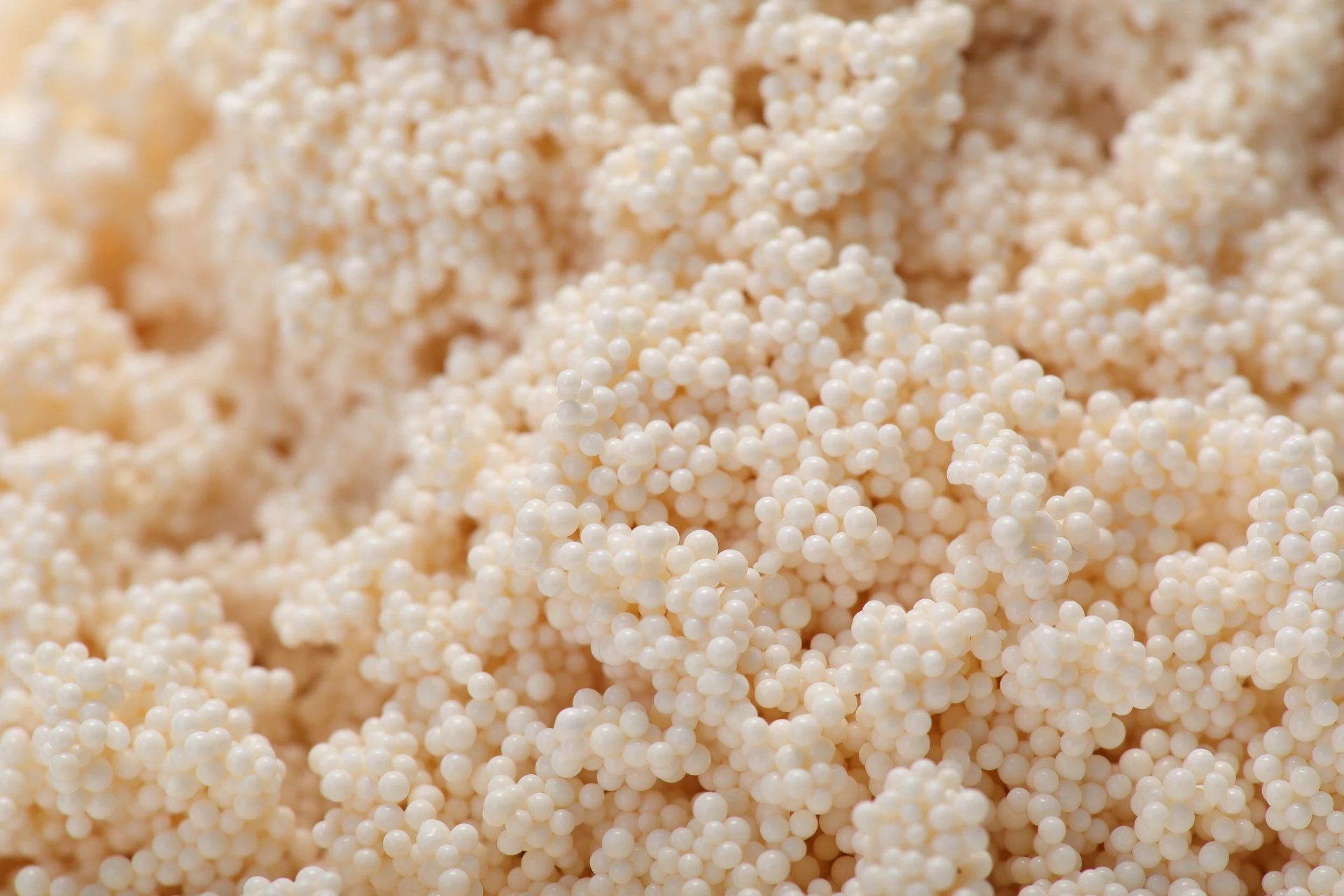
superose 6 resin
Understanding special resin : A Cornerstone in Advanced Industrial Applications In the dynamic landscape of modern industrial manufacturing and advanced material science, the role of specialized polymeric compounds cannot be overstated. Among these, special resin stands out as a critical component, enabling breakthroughs in diverse sectors ranging from petrochemicals to precision electronics, and from sustainable energy solutions to robust infrastructure development. Unlike conventional resins, special resin formulations are engineered with meticulous precision to exhibit superior performance characteristics, including enhanced thermal stability, exceptional chemical resistance, remarkable mechanical strength, and tailored electrical properties. These attributes are not incidental; they are the result of sophisticated synthesis processes involving specific monomer selection, controlled polymerization kinetics, and often, the incorporation of advanced additives or modifiers, such as masterbatch (MB) components, which fine-tune the final product's performance. The demand for these advanced materials is primarily driven by industries facing increasingly stringent performance requirements, where standard materials simply fall short. For instance, in high-temperature environments or corrosive chemical processing plants, conventional plastics or even some metals might degrade rapidly, leading to operational inefficiencies, increased maintenance costs, and potential safety hazards. This is precisely where special resin finds its indispensable niche. Its ability to maintain structural integrity and functional efficacy under extreme conditions makes it a cornerstone material for critical applications. Moreover, the rise of advanced manufacturing techniques like additive manufacturing (3D printing) and precision injection molding further amplifies the need for resins with predictable and precise rheological properties, alongside their desired end-use performance characteristics. The versatility of special resin extends beyond mere resistance; it encompasses capabilities such as self-lubrication, high dielectric strength for electrical insulation, excellent optical clarity for optical fibers or displays, and bio-compatibility for medical devices. The underlying scientific principles behind these materials often involve complex polymer architectures, including branched, cross-linked, or block copolymer structures, which confer unique macroscopic properties. The strategic integration of elements like fire retardants, UV stabilizers, or impact modifiers during the compounding phase transforms a basic resin into a highly specialized material capable of meeting specific, demanding specifications. The inherent flexibility in designing these molecular structures allows manufacturers to tailor resins for very narrow and specific applications, providing solutions that are often impossible to achieve with commodity polymers. This targeted engineering approach ensures optimal performance, extends product lifespan, and ultimately contributes to the overall efficiency and safety of the systems in which they are deployed. The profound impact of special resin on technological advancement is evident in its widespread adoption across various high-stakes industries, underscoring its pivotal role in pushing the boundaries of material science and engineering. Industry Trends and Market Dynamics: The Evolving Landscape of Resins The global market for advanced resins, including special resin and mb resin , is experiencing robust growth, propelled by several key industry trends. One significant driver is the relentless pursuit of lightweight materials, particularly in the automotive and aerospace sectors, where reducing vehicle weight directly translates into improved fuel efficiency and reduced emissions. Composites reinforced with special resin matrices offer an unparalleled strength-to-weight ratio, enabling structural components that are both lighter and stronger than traditional metal counterparts. Another pervasive trend is the increasing demand for sustainable and eco-friendly materials. Manufacturers are under pressure to reduce their environmental footprint, leading to research and development efforts focused on bio-based resins, recycled content integration, and materials with improved recyclability or biodegradability. While still nascent in some specialized applications, the shift towards sustainability is reshaping material selection criteria for special resin as well, with an emphasis on greener synthesis routes and end-of-life considerations. The rapid expansion of the electronics industry, driven by advancements in 5G technology, IoT devices, and artificial intelligence, also fuels the demand for high-performance resins with excellent dielectric properties, thermal management capabilities, and miniaturization potential. special resin used in encapsulants, circuit boards, and connectors must meet rigorous standards for reliability and long-term performance in increasingly complex and compact electronic assemblies. Furthermore, the healthcare sector presents a growing market for specialized resins that meet strict biocompatibility and sterilization requirements. From medical tubing and surgical instruments to prosthetic devices and drug delivery systems, the precision and safety demands necessitate resins with highly controlled properties, often incorporating specific mb resin formulations to achieve desired characteristics like radiopacity or enhanced lubricity. Digitalization and Industry 4.0 paradigms are also influencing the resin market. Smart factories require materials that can withstand automated processing, and predictive maintenance relies on components that exhibit consistent, long-term performance. This necessitates higher quality control, tighter tolerances, and more predictable behavior from special resin over its service life. Geographically, Asia-Pacific remains the largest and fastest-growing market, primarily due to expanding manufacturing bases, rapid urbanization, and increasing infrastructure development in countries like China, India, and Southeast Asian nations. North America and Europe also maintain significant market shares, driven by innovation, stringent regulatory frameworks, and high-value applications. The competitive landscape is characterized by a mix of large multinational chemical companies and specialized niche players, each vying for market share through product differentiation, technological superiority, and robust supply chain management. The integration of mb resin , or masterbatch resin, into the manufacturing process represents a crucial evolution in tailoring material properties. Masterbatches are concentrated mixtures of pigments or additives encapsulated in a carrier resin, which are then added to the base polymer during processing. This method allows for precise dosing of additives, ensuring homogeneous dispersion, improved processability, and enhanced final product characteristics, such as color, UV stability, flame retardancy, or anti-static properties. The use of mb resin streamlines manufacturing, reduces raw material handling, and often improves product consistency and performance. The synergy between base special resin and targeted mb resin formulations is pivotal in meeting the highly specific demands of advanced applications, offering a customizable pathway to superior material performance and functionality. Technical Parameters and Properties of special resin The selection and application of special resin are fundamentally governed by a comprehensive understanding of its technical parameters and intrinsic properties. These parameters define the material's performance envelope and dictate its suitability for specific industrial challenges. Key properties often include thermal, mechanical, electrical, and chemical characteristics. Thermal stability , for instance, is paramount for high-temperature applications. This is typically quantified by metrics such as Glass Transition Temperature (Tg), Melting Temperature (Tm), and Thermal Decomposition Temperature (Td). A high Tg indicates that the resin maintains its rigidity and mechanical integrity at elevated temperatures, preventing deformation or loss of function. For thermosetting special resin , the cross-linked network ensures excellent dimensional stability and creep resistance even near their decomposition temperatures. Mechanical strength encompasses tensile strength, flexural modulus, impact strength, and hardness. These properties are crucial for structural components, parts subjected to mechanical stress, or those requiring wear resistance. For example, in bearing applications or high-load gears, special resin with high flexural modulus and low friction coefficient, often achieved through specific mb resin additives, can significantly extend service life. Chemical resistance is another critical attribute, especially in environments exposed to aggressive acids, bases, solvents, or corrosive media common in petrochemical, chemical processing, and wastewater treatment industries. Resins designed for these applications exhibit low swelling, minimal degradation, and maintain their physical properties even after prolonged chemical exposure. This is often achieved through specific backbone chemistries (e.g., fluoropolymers, certain epoxies, or vinyl esters) that resist chemical attack. Electrical properties , including dielectric strength, dielectric constant, and volume resistivity, are vital for applications in electronics, insulation, and electrical components. A high dielectric strength indicates the material's ability to withstand electrical breakdown under high voltage, while a low dielectric constant is desirable for high-frequency applications to minimize signal loss. Optical properties, such as transparency, refractive index, and UV resistance, are important for applications like lenses, displays, and protective coatings. For instance, acrylic or polycarbonate-based special resin offers excellent optical clarity and UV stability. Beyond these primary properties, specialized parameters like flame retardancy, low smoke emission, anti-static properties, and biocompatibility are increasingly important depending on the specific application's regulatory and performance demands. Flame retardancy, often achieved through halogenated or halogen-free mb resin , is critical for public safety in construction, aerospace, and electrical enclosures. Each of these parameters is rigorously tested according to international standards such as ISO, ASTM, and ANSI, ensuring consistent quality and performance across batches. The interaction between the base special resin polymer and any incorporated mb resin or fillers plays a crucial role in the final material's performance profile. Through precise formulation and process control, manufacturers can fine-tune these parameters to create highly optimized materials for the most demanding applications, offering solutions that extend beyond the capabilities of commodity plastics or traditional engineering polymers. Below is a table illustrating typical parameters for a high-performance special resin , demonstrating the comprehensive nature of their specifications. Parameter Typical Value (Example: High-Performance Oil Resin) Test Standard Density 1.15 - 1.25 g/cm³ ISO 1183 Tensile Strength 80 - 120 MPa ISO 527-2 Flexural Modulus 3.0 - 5.0 GPa ISO 178 Heat Deflection Temperature (HDT) @ 1.82 MPa 150 - 200 °C ISO 75-2 Vicat Softening Temperature (VST) 160 - 210 °C ISO 306 Dielectric Strength 20 - 30 kV/mm IEC 60243-1 Water Absorption (24h immersion) < 0.2 % ISO 62 Chemical Resistance Excellent to acids, bases, hydrocarbons ISO 22088-3 The Meticulous Manufacturing Process of special resin The production of special resin is a highly complex and meticulously controlled process, a testament to precision engineering and advanced chemical synthesis. It typically begins with the selection of high-purity raw materials, primarily monomers and specialized initiators, which define the fundamental properties of the final polymer. For many special resin types, these raw materials might include advanced petrochemical derivatives or even bio-based precursors, chosen for their specific molecular structures that will contribute to desired performance characteristics like high heat resistance, chemical inertness, or specific electrical properties. The initial stage often involves synthesis and polymerization, where monomers are reacted under precisely controlled conditions of temperature, pressure, and catalyst concentration within large, agitated reactors. This process can involve various polymerization techniques such as bulk polymerization, solution polymerization, suspension polymerization, or emulsion polymerization, each selected based on the specific resin type and desired molecular weight distribution. For instance, in producing certain high-performance epoxies or polyimides, solvent-based polymerization might be preferred for better control over molecular weight and branching. The quality of this initial polymerization step is critical, as it dictates the molecular architecture, chain length, and degree of cross-linking, all of which profoundly impact the final resin's physical and chemical properties. Following synthesis, the crude polymer undergoes purification and washing to remove unreacted monomers, catalysts, and other impurities, ensuring the purity and consistency vital for high-performance applications. This might involve filtration, centrifugation, or solvent extraction. After purification, the resin enters the compounding and modification phase. This is where the base special resin is blended with various additives and fillers to enhance its properties and tailor it for specific applications. This is also where mb resin (masterbatch) plays a crucial role. Masterbatches, containing highly concentrated pigments, UV stabilizers, flame retardants, impact modifiers, or anti-static agents, are precisely dosed and homogeneously mixed into the resin matrix using advanced extrusion equipment like twin-screw extruders. The extrusion process not only blends the components but also ensures the thermal and mechanical history of the material is carefully managed to prevent degradation. For example, for a special resin destined for corrosive environments, specific reinforcing fibers (e.g., glass fiber, carbon fiber) or highly resistant inert fillers are incorporated. If the resin is for electrical insulation, dielectric fillers might be added. For structural components, precise amounts of carbon fiber or aramid fibers are integrated through sophisticated compounding techniques, often involving CNC machining of molds or dies to ensure intricate shapes for components that will later be cast or molded. The next critical step is pelletization or grinding, where the compounded resin is formed into pellets, flakes, or powder, making it suitable for subsequent processing methods like injection molding, extrusion, or casting. This form factor ensures consistent feeding into manufacturing equipment. Throughout the entire process, rigorous quality control and testing are paramount. Samples are continuously drawn and subjected to a battery of tests adhering to international standards such as ISO (International Organization for Standardization) and ANSI (American National Standards Institute). These tests include melt flow rate (MFR) for processability, mechanical tests (tensile, flexural, impact strength), thermal analysis (DSC, TGA, HDT), chemical resistance tests, and electrical property measurements. For example, ISO 9001 certification ensures a robust quality management system is in place, while ISO 14001 addresses environmental management. Products often undergo final inspection and packaging before shipment, ensuring they meet exact specifications. The typical service life of such materials can vary significantly, often ranging from 10 to over 50 years depending on the specific formulation, application, and environmental conditions. Industries like petrochemical, metallurgy, and water supply/drainage frequently utilize these resins, often as liners, coatings, or structural components, where their intrinsic resistance to harsh chemicals, high temperatures, and abrasive wear significantly enhance the lifespan and performance of infrastructure. This entire process, from raw material sourcing to final product packaging, is driven by a commitment to precision and performance, ensuring that each batch of special resin delivers consistent, reliable, and superior performance in the most demanding industrial applications. The ability to customize material properties through precise formulation and manufacturing control is what truly differentiates special resin in the market. Diverse Application Scenarios and Unmatched Advantages of special resin The versatility and superior performance of special resin unlock an extensive range of application scenarios across virtually every major industrial sector, providing solutions that are often technically or economically unfeasible with conventional materials. In the petrochemical industry, where extreme temperatures, high pressures, and corrosive chemicals are the norm, special resin is indispensable for manufacturing pipe linings, seals, gaskets, pump components, and valve parts. Its exceptional chemical resistance, especially to aggressive hydrocarbons, strong acids, and bases, ensures the integrity and longevity of critical infrastructure, significantly reducing the risk of leaks and system failures. For instance, in sour gas processing or crude oil transportation, traditional metals might corrode rapidly, leading to costly downtime and environmental hazards. special resin , especially those with fluoropolymer or vinyl ester bases enhanced by specific mb resin additives for improved barrier properties, offers unparalleled anti-corrosion protection, extending the service life of equipment and reducing maintenance cycles. This directly translates to substantial energy savings by preventing material degradation and ensuring efficient fluid flow, as smoother, corrosion-free internal surfaces reduce friction losses. In the metallurgical industry, high temperatures and abrasive conditions are prevalent. special resin is utilized in high-temperature insulation, wear-resistant liners for chutes and hoppers, and even in specific components for foundries, where their thermal stability and abrasion resistance are critical. For example, phenolic or polyimide resins can withstand temperatures up to 250°C and beyond, making them ideal for furnace components or conveyor belts operating in hot environments. Their ability to resist thermal shock and maintain mechanical properties at elevated temperatures ensures operational continuity and reduces the need for frequent part replacement. The water supply and drainage sector benefits immensely from the corrosion and biogrowth resistance of special resin . Used for lining ductile iron pipes, manufacturing composite pipes, or crafting components for water treatment facilities, these resins prevent scale buildup, microbial growth, and chemical attack from treated water or wastewater. This enhances water quality, extends the lifespan of pipelines, and significantly reduces the energy required for pumping due to smoother internal surfaces and reduced friction. Moreover, the lightweight nature of composite pipes made with special resin simplifies installation and reduces transportation costs, offering substantial logistical advantages over heavy metal pipes. Beyond these core industries, special resin finds applications in aerospace for lightweight structural components, interior parts, and engine components due to their high strength-to-weight ratio and fire resistance. In electronics, they are crucial for encapsulation, potting, and circuit board materials, offering excellent dielectric properties, thermal management, and protection against environmental factors. The medical field leverages their biocompatibility and sterilizability for surgical instruments, implants, and diagnostic equipment. In renewable energy, particularly wind turbine blades, special resin (often epoxy or polyester-based, reinforced with glass or carbon fibers) forms the backbone of highly durable, fatigue-resistant structures, crucial for maximizing energy capture and extending turbine lifespan. The common thread across these diverse applications is the ability of special resin to deliver enhanced performance, increased efficiency, longer service life, and often, significant cost savings over traditional materials. The continuous innovation in special resin and mb resin technology ensures that these materials will continue to drive progress and solve complex engineering challenges across global industries. Choosing the Right Partner: Manufacturer Comparison and Custom Solutions for special resin Selecting the appropriate manufacturer for special resin is a strategic decision that profoundly impacts project success, product reliability, and long-term operational efficiency. The market is populated by numerous suppliers, each with varying levels of expertise, production capabilities, and quality assurances. When evaluating potential partners, B2B decision-makers and technical personnel should look beyond mere price points and delve into core competencies such as research and development capabilities, production capacity, adherence to quality standards, and, critically, the ability to provide tailored solutions. A truly reliable manufacturer of special resin will possess extensive R&D facilities, allowing them to innovate new formulations and continuously improve existing ones. This includes expertise in developing specialized mb resin to achieve precise material properties. Their engineers and chemists should have a deep understanding of polymer science, capable of dissecting client requirements and translating them into optimal resin compositions. This often involves detailed material characterization using advanced analytical techniques like FTIR, DSC, TGA, and SEM to ensure batch-to-batch consistency and performance predictability. Furthermore, strong manufacturing capabilities are essential, including state-of-the-art reactors, compounding extruders, and quality control laboratories that are equipped to handle diverse production scales. Manufacturers should demonstrate adherence to globally recognized quality management systems like ISO 9001:2015, which signifies a commitment to consistent product quality and continuous improvement. Environmental certifications such as ISO 14001 are also increasingly important, reflecting a responsible approach to manufacturing. The true differentiator for a leading special resin supplier lies in their ability to offer customized solutions. Many applications require resins with highly specific performance profiles that off-the-shelf products cannot meet. This might involve adjusting parameters like viscosity for specific processing techniques (e.g., vacuum infusion, resin transfer molding), enhancing adhesion to particular substrates, or achieving unique combinations of thermal, mechanical, and chemical resistance. A manufacturer capable of customization will work closely with clients, often through a dedicated technical support team, to understand the exact operating conditions, environmental exposures, and mechanical stresses the final product will endure. They will then formulate a bespoke special resin , potentially incorporating specific mb resin , to meet these precise specifications. This collaborative approach ensures the material is perfectly optimized for its intended use, minimizing risks and maximizing performance. This iterative development process involves prototyping, rigorous testing of samples, and performance validation under simulated or actual service conditions. For instance, if a client requires a resin for high-voltage insulation in a humid environment, the manufacturer would develop a special resin with exceptional dielectric strength and minimal water absorption, possibly incorporating hydrophobic mb resin additives. This level of partnership and technical collaboration is invaluable, transforming a simple supplier relationship into a strategic alliance that fosters innovation and problem-solving. A reputable company like Lijiresin, offering products such as Oil Resin, exemplify this approach by focusing on tailored solutions for complex industrial challenges, underpinned by deep technical expertise and stringent quality controls. Their ability to deliver specific formulations of special resin demonstrates a commitment to meeting the precise needs of their diverse client base. Feature/Parameter Lijiresin Oil Resin (Special Resin) Generic Commodity Resin A Generic Commodity Resin B Primary Focus High-Performance, Specialized Applications General Purpose, Cost-Efficiency Broad Market, Moderate Performance Thermal Resistance (Max. Continuous Use Temp.) Up to 200°C - 250°C+ (application dependent) Typically 80°C - 120°C Typically 100°C - 150°C Chemical Resistance Excellent (Acids, Bases, Solvents, Hydrocarbons) Fair to Good (Limited scope) Good (Some common chemicals) Mechanical Strength (Tensile) High (80-120 MPa+) Moderate (40-60 MPa) Good (50-80 MPa) Customization & Formulation Flexibility High (Tailored for specific needs, mb resin integration) Low (Standard grades only) Limited (Few variations) Certifications (e.g., ISO) ISO 9001, ISO 14001, application-specific Basic ISO compliance Basic ISO compliance Typical Service Life Long (20-50+ years in ideal conditions) Short to Medium (5-15 years) Medium (10-20 years) Application Case Studies: Real-World Impact of special resin The tangible benefits of special resin are best illustrated through real-world application case studies, where these advanced materials have demonstrably solved complex engineering challenges and delivered superior performance compared to conventional alternatives. These examples underscore the expertise and experience required to effectively deploy special resin solutions in demanding industrial environments. Case Study 1: Enhanced Corrosion Protection in Chemical Processing Plants A leading chemical manufacturer faced persistent issues with the corrosion of steel pipelines and storage tanks used for transporting highly aggressive sulfuric acid and caustic soda solutions. Traditional stainless steel pipes required frequent maintenance, leading to significant downtime and safety concerns. The challenge was to find a material that could withstand continuous exposure to these harsh chemicals at elevated temperatures (up to 80°C) without degradation. Solution: After extensive consultation, a customized special resin , specifically a modified vinyl ester resin with proprietary mb resin additives for enhanced barrier properties and thermal stability, was recommended for internal pipe linings and tank coatings. This resin was selected for its exceptional chemical inertness and cross-linked structure, which prevents permeation and chemical attack. Outcome: The implementation of this special resin solution resulted in a remarkable reduction in corrosion-related failures. Maintenance cycles for the lined pipes were extended from quarterly to once every two years, leading to a 75% reduction in maintenance costs over five years. Furthermore, the smooth, non-corrosive surface of the resin lining improved flow efficiency, contributing to an estimated 5% energy saving in pumping operations. The extended service life and enhanced safety profile underscored the material's superior performance and the value of selecting a precisely engineered special resin . Case Study 2: High-Performance Composite Blades for Offshore Wind Turbines A major renewable energy company sought to develop larger, more efficient wind turbine blades for offshore installations, requiring materials with superior fatigue resistance, strength-to-weight ratio, and long-term durability in harsh marine environments (saltwater, UV exposure, cyclic loading). Solution: An advanced epoxy-based special resin system, specifically formulated for large composite structures and infused with targeted toughening agents via mb resin , was chosen for the fabrication of the turbine blades. This resin offered excellent adhesion to carbon fiber and glass fiber reinforcements, superior fatigue performance under dynamic loads, and high resistance to environmental degradation. The manufacturing process involved vacuum-assisted resin transfer molding (VARTM) to ensure void-free composites. Outcome: The new blades, utilizing this high-performance special resin , demonstrated exceptional structural integrity and extended operational life beyond initial projections. Fatigue tests showed a 30% improvement in lifespan compared to previous blade designs. The lightweight nature of the resin-fiber composite allowed for longer blades, leading to a 15% increase in energy capture efficiency per turbine. The material's inherent resistance to saltwater corrosion and UV radiation minimized degradation, reducing maintenance frequency and enhancing overall reliability in demanding offshore conditions. Case Study 3: Durable and Bio-compatible Components for Medical Devices A medical device manufacturer needed a material for precision-molded components of a new surgical instrument. Key requirements included biocompatibility (meeting ISO 10993 standards), sterilizability (withstanding multiple autoclave cycles), dimensional stability, and high chemical resistance to common disinfectants. Solution: A medical-grade polyetheretherketone (PEEK) based special resin , compounded with specific mb resin to enhance its processing characteristics for intricate molding, was selected. PEEK is renowned for its excellent mechanical properties, high thermal resistance, and inherent biocompatibility. Outcome: The components manufactured from this special resin not only met but exceeded all stringent medical device requirements. They exhibited no signs of degradation after 100+ autoclave sterilization cycles, maintained precise dimensional tolerances, and showed no adverse reactions when tested for biocompatibility. This enabled the manufacturer to confidently launch their new instrument, knowing its material components would ensure patient safety and long-term device reliability. These case studies collectively illustrate the transformative power of expertly engineered special resin and the critical role of custom formulations in addressing specific industry needs. Building Trust: Quality Assurance, Certifications, and Customer Support for special resin For B2B stakeholders, especially those sourcing critical materials like special resin , trust is paramount. This trust is built upon a foundation of robust quality assurance, adherence to international certifications, comprehensive testing protocols, and unwavering customer support. A reliable supplier of special resin , such as Lijiresin with its Oil Resin product line, integrates these elements into every facet of its operations to ensure product excellence and client satisfaction. Quality Assurance (QA) begins at the raw material sourcing stage. Only high-grade monomers and additives, including specialized mb resin , are procured from vetted suppliers who meet strict quality criteria. Throughout the manufacturing process, from polymerization to compounding and pelletization, continuous in-process checks are conducted. This includes monitoring reaction parameters, controlling batch consistency, and sampling for preliminary analysis. Post-production, every batch of special resin undergoes rigorous final product testing. This comprehensive testing regimen encompasses physical, mechanical, thermal, electrical, and chemical property evaluations using state-of-the-art laboratory equipment. For example, differential scanning calorimetry (DSC) is used to determine glass transition temperatures and curing behavior, while thermogravimetric analysis (TGA) assesses thermal stability and decomposition characteristics. Dynamic mechanical analysis (DMA) provides insights into viscoelastic properties, crucial for understanding how the resin behaves under varying temperatures and loads. Tensile and impact strength tests verify mechanical robustness, ensuring the material can withstand operational stresses. Certifications are tangible proof of a manufacturer's commitment to quality and environmental responsibility. Key certifications include: ISO 9001:2015: This internationally recogniz
-
 Strong R & D Capability And Experienced Technical Team
-
Provide Customers With Competitive And Differentiated Products